


🌞 Light, Sleep, and Timing: What BCBAs and Parents Need to Know

Updated: Aug 11, 2025
Have you given much thought to how much light you’re exposed to on a daily basis? If you’re like most of us, then probably not. But light is more than just something in the environment that helps us see. It’s one of the most important external cues that helps regulate our circadian rhythms—the internal body clocks that tell us when it’s time to be alert, when to wind down, and when to sleep.
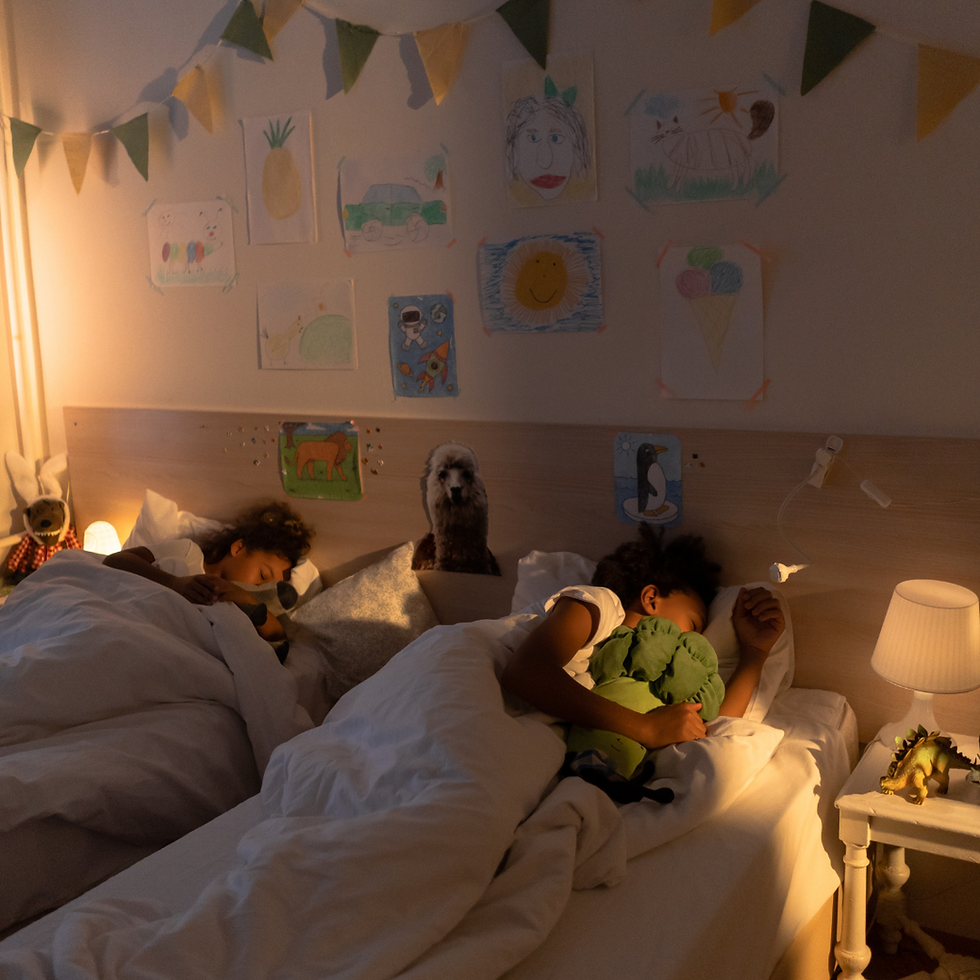
When we understand the effects of light on sleep, we’re better equipped to help both families and learners reduce tired mornings, bedtime battles, and unpredictable nap crashes.
Let’s break it down.
🌅 Morning Light = Stronger Sleep Signals Later
Our circadian rhythm is anchored by light exposure, especially in the first hour of waking. Just a small dose of natural sunlight in the morning can lead to major benefits later that night.
☀️ One study found that a morning bright light intervention over 5 days led to:
Earlier sleep onset
Shorter time to fall asleep (sleep latency)
Less sleepiness in the morning
According to the Cleveland Clinic, just 10–30 minutes of sunlight within the first hour of waking is enough to help regulate the sleep-wake cycle.
👟 How to Make Morning Light More Doable
Adding another thing to the morning routine can feel overwhelming. But what if we moved things we’re already doing… outside?
Here are a few behavior-analytic hacks:
🥪 Take breakfast outdoors with a pouch or PB&J
👟 Put on shoes or brush hair on the porch
🧸 Have “morning meeting” time or calm play outside for a few minutes
Even small bursts of outdoor light help cue the body: It’s morning. Time to be alert. And later? It’ll be time to sleep.
💡 Evening Light = Trouble Falling Asleep
While morning light helps, evening light can hurt. Researchers found that when 3–5-year-olds were exposed to the light equivalent of a glowing phone or tablet within one hour of bedtime melatonin levels were reduced by up to 78%. That’s the hormone that helps regulate the body’s circadian rhythm and may lead to delayed sleep onset when interfered with.
🔦 Nighttime Light Tips for Families
If you’re supporting a family with a child who struggles at bedtime or wakes frequently during the night, these small changes can go a long way:
Keep bedrooms as dark as possible
Avoid screens 1 hour before bedtime
If a nightlight is needed, opt for a red light (less disruptive to melatonin than blue or white light)
Block streetlights and car lights with blackout curtains or even aluminum foil for a low-cost option
🧠 Why This Matters in ABA
Sleep affects everything—attention, motivation, tolerance, emotional regulation, and more. When our learners are tired, they’re less able to benefit from the very programming we spend so much time developing.
As behavior analysts, we can’t control our client’s sleep directly—but we can support the environmental variables that impact it.
Encouraging light exposure at the right times—and helping families build routines around it—is one way we stay within our scope, while helping families create a healthier foundation for long-term success.
💬 Takeaway
☀️ Morning light strengthens sleep cues
💡 Evening light weakens them
Want more behavior-based sleep tips you can use in your practice or home?📥 Download our free resource:"5 Myths That Might Be Holding Your Learners Back"➡️ subscribepage.io/5Myths


Comments